The future of the city cannot be shaped without the people who live in it.
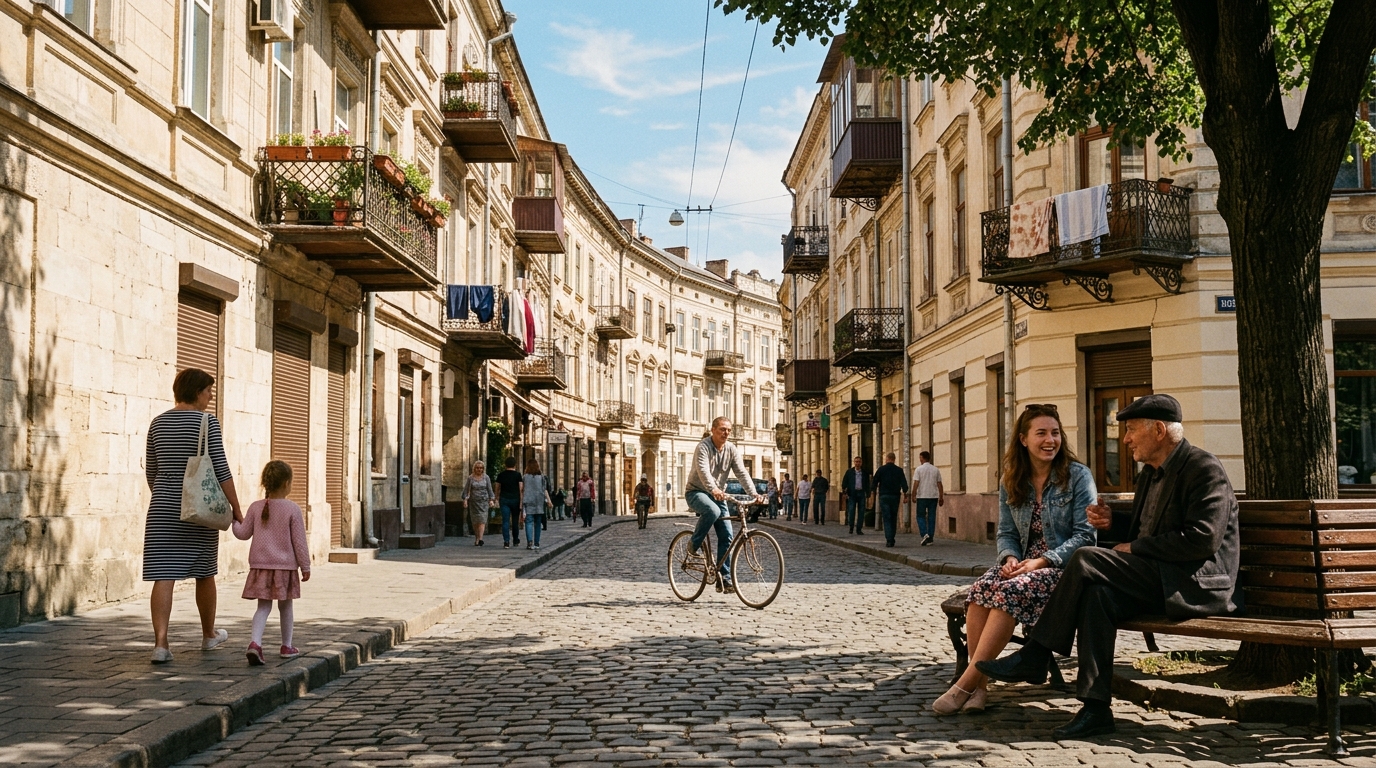
Odesa is not just streets, buildings, historical monuments, and infrastructure. It is primarily its residents, their needs, ideas, experience, and vision of what the city should be tomorrow.
That is why an open dialogue between the community, representatives of local government, business, and civil organizations should become an essential component of Odesa’s development.
Decisions should start with dialogue
City issues cannot be effectively addressed without understanding how they affect people’s daily lives.
Residents of different districts of Odesa face specific issues daily – road conditions, transportation, public amenities, safety, accessibility of public spaces, the work of communal services, and the development of local infrastructure.
Therefore, it is important not only to inform citizens about the decisions already made but also to create opportunities for their participation in shaping the city’s agenda.
Open discussion allows for hearing different opinions, setting priorities, and better understanding the real needs of the community.
The opinion of the residents should be heard
Citizen participation in city development can take various forms.
Public hearings, open meetings, electronic petitions, surveys, local initiatives, and public consultations can become tools for continuous dialogue.
It is important that these tools are not a formality, but a real opportunity for residents to express their position and receive a response.
A person who approaches with a problem or proposal should understand how their request is being processed, who is responsible for handling it, and what further steps are possible.
Such a sequence builds trust.
Openness builds trust.
Trust in city institutions largely depends on how understandable decision-making processes are to citizens.
Residents should have access to information about city projects, development priorities, resource use, and the outcomes of implemented programs.
Transparency does not mean the absence of complex decisions. It means understanding why a certain decision was proposed, which alternatives were considered, and what results are expected.
This approach creates a foundation for constructive dialogue even on issues where residents may have differing opinions.
Odesa consists of different districts.
The city should be open to dialogue not only on the citywide level.
Each district of Odesa has its own characteristics and needs. What is relevant to residents in the central part of the city may differ from the issues of other districts.
Therefore, it is important to create opportunities for local dialogue.
Meetings with residents, on-site consultations, and the collection of proposals help to better determine the priorities of specific areas.
City development begins with the development of its districts, streets, and public spaces.
Dialogue should unite, not divide.
In a big city, it’s impossible to expect that all residents will have the same views on every issue.
Different positions are a natural part of a democratic society.
The task of open dialogue is not to eliminate differences in views, but to create a space for their constructive discussion.
It’s important to hear each other’s arguments, talk about specific issues, and seek solutions that take the community’s interests into account.
It’s precisely the culture of such dialogue that allows the city to move forward even when there are different opinions on its development paths.
Business, the public, and the city
The future of Odesa depends not only on the work of city institutions.
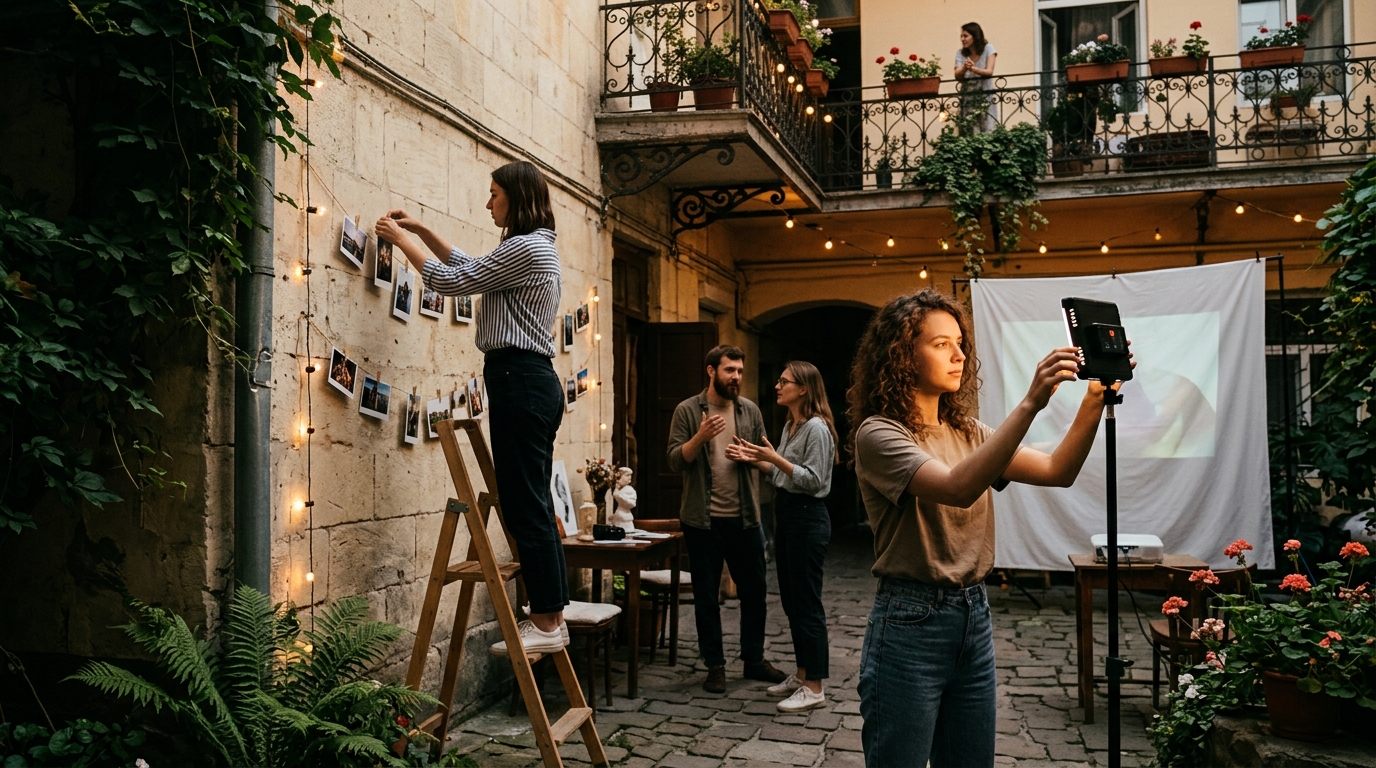
Entrepreneurs, non-governmental organizations, professional communities, educational institutions, and active residents can also be participants in the city’s development process.
Cooperation between these environments allows for the unification of knowledge, resources, and experience for the implementation of specific projects.
Businesses can contribute to the development of the urban environment and educational programs. Public organizations can help represent the interests of different groups of residents. Professional communities can offer expert solutions.
The city must create conditions under which such cooperation becomes possible.
The future of Odesa needs to be discussed today
The city’s development strategy should not be a document that exists separately from the everyday life of its residents.
It should be formed considering the real needs of Odesa and its residents.
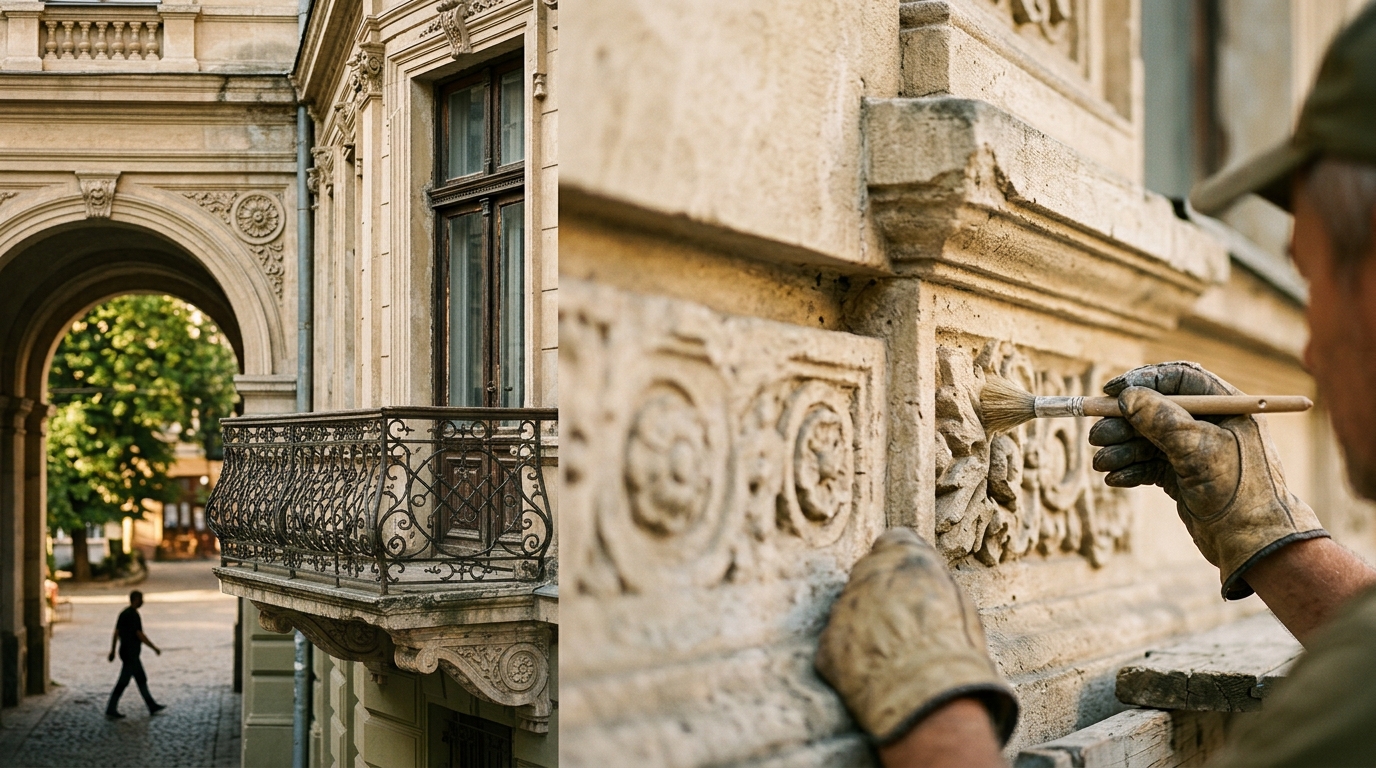
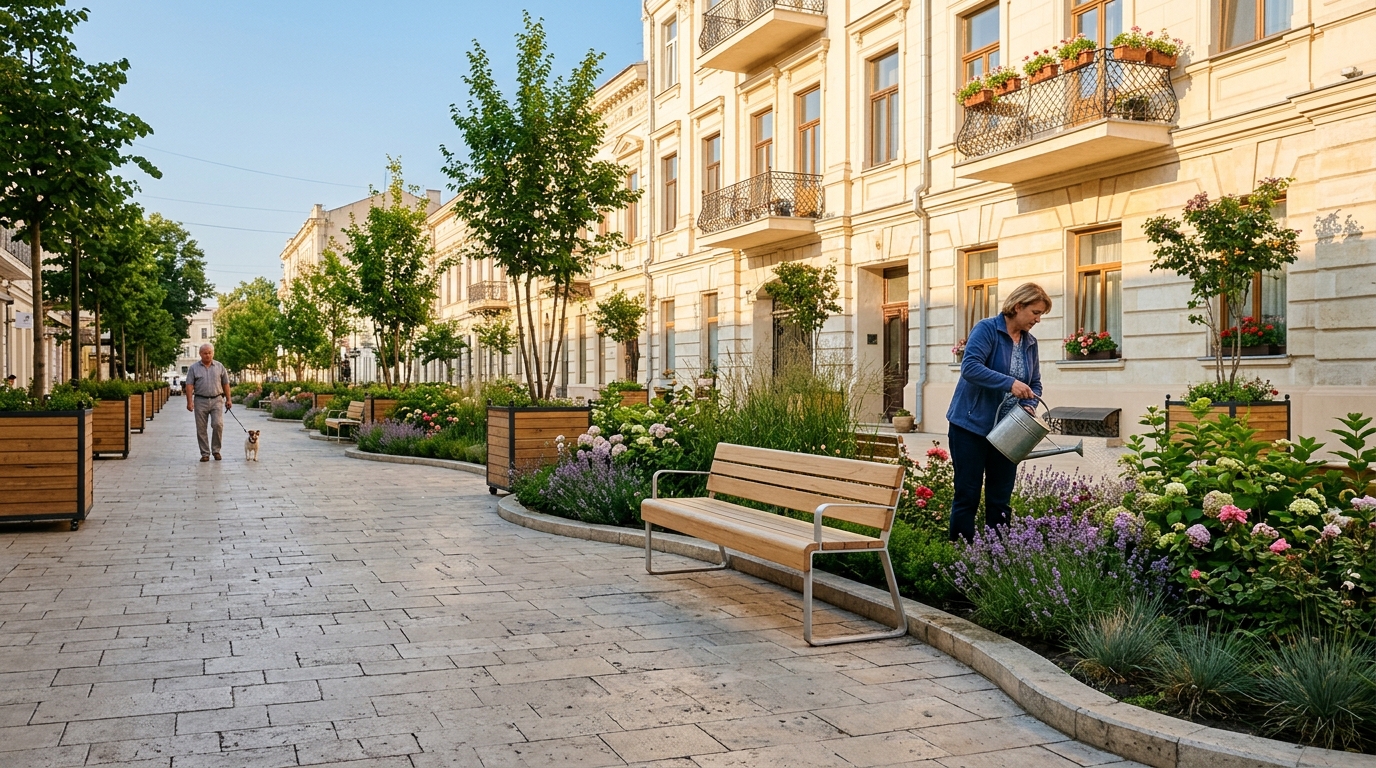
What should urban infrastructure be like? How to develop public transport? How to preserve historical heritage? How to create new opportunities for business and youth? What should public spaces be like? How to make the city more comfortable and safer?
Answers to these questions should be born in open dialogue.
Odesa — a shared responsibility
The future of the city is not shaped by a single decision or project.
It consists of thousands of daily decisions, initiatives, and actions of the people who live and work in Odesa.
Open dialogue helps make this process clearer, involve more people in the city’s development, and form a common vision of its future.
Odesa must develop together with the community — through openness, responsibility, and constant dialogue.