Odesa has a unique urban environment that has been formed over centuries. The architecture, streets, squares, courtyards, historic buildings, and cultural sites create the city’s character, which cannot be replicated elsewhere.
Preserving this heritage is not just about the past. It is about the future of Odesa and how it will be seen by future generations.
A modern city must develop, but this development should not mean the loss of its historical identity.
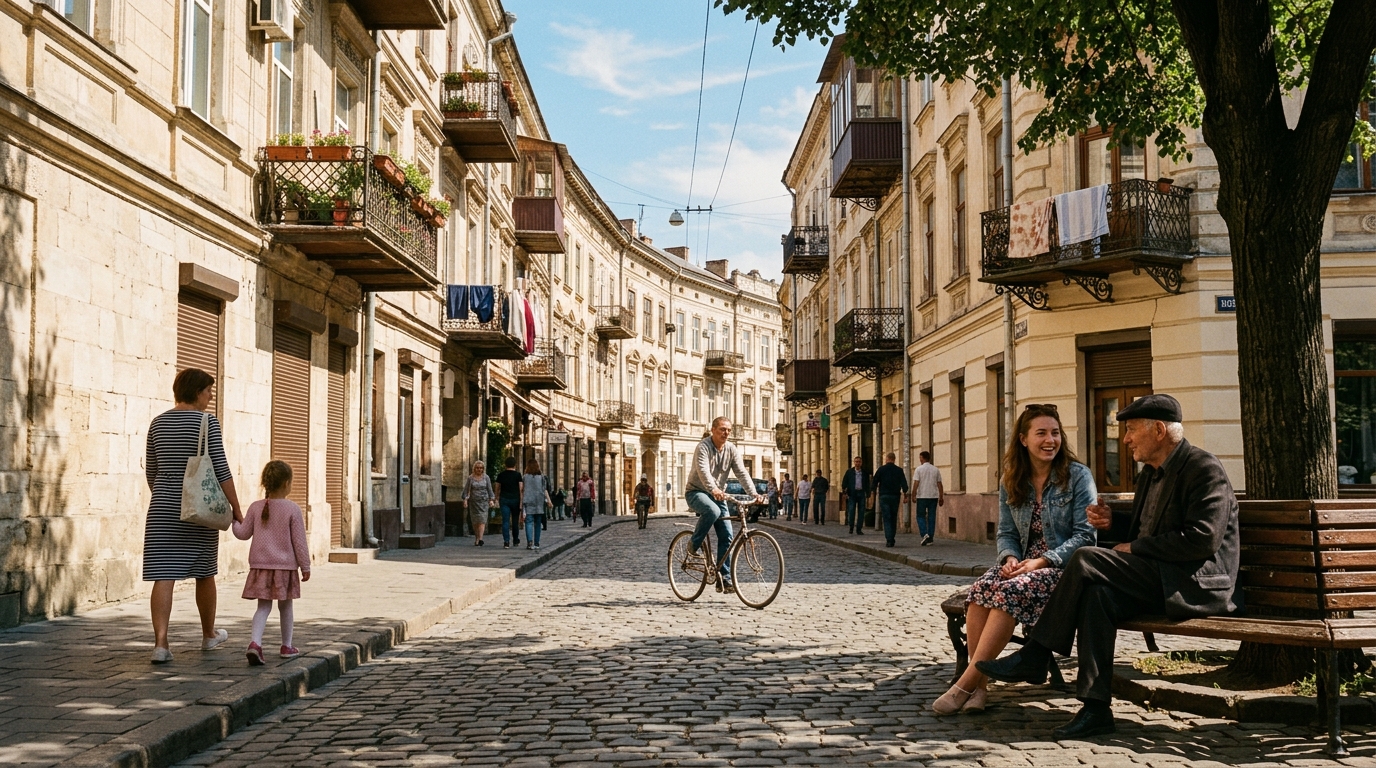
Historical Odesa is more than just individual buildings
When people speak about preserving historical Odesa, they often refer to specific architectural landmarks.
However, the urban heritage is much broader.
It includes historic buildings, house facades, courtyards, streets, squares, parks, and entire neighborhoods, which together form the unique image of the city.
It is precisely the combination of these elements that creates the Odesa known to its residents and visitors.
Therefore, preserving the historical environment requires a comprehensive approach, not just working with individual objects.
Restoration instead of loss
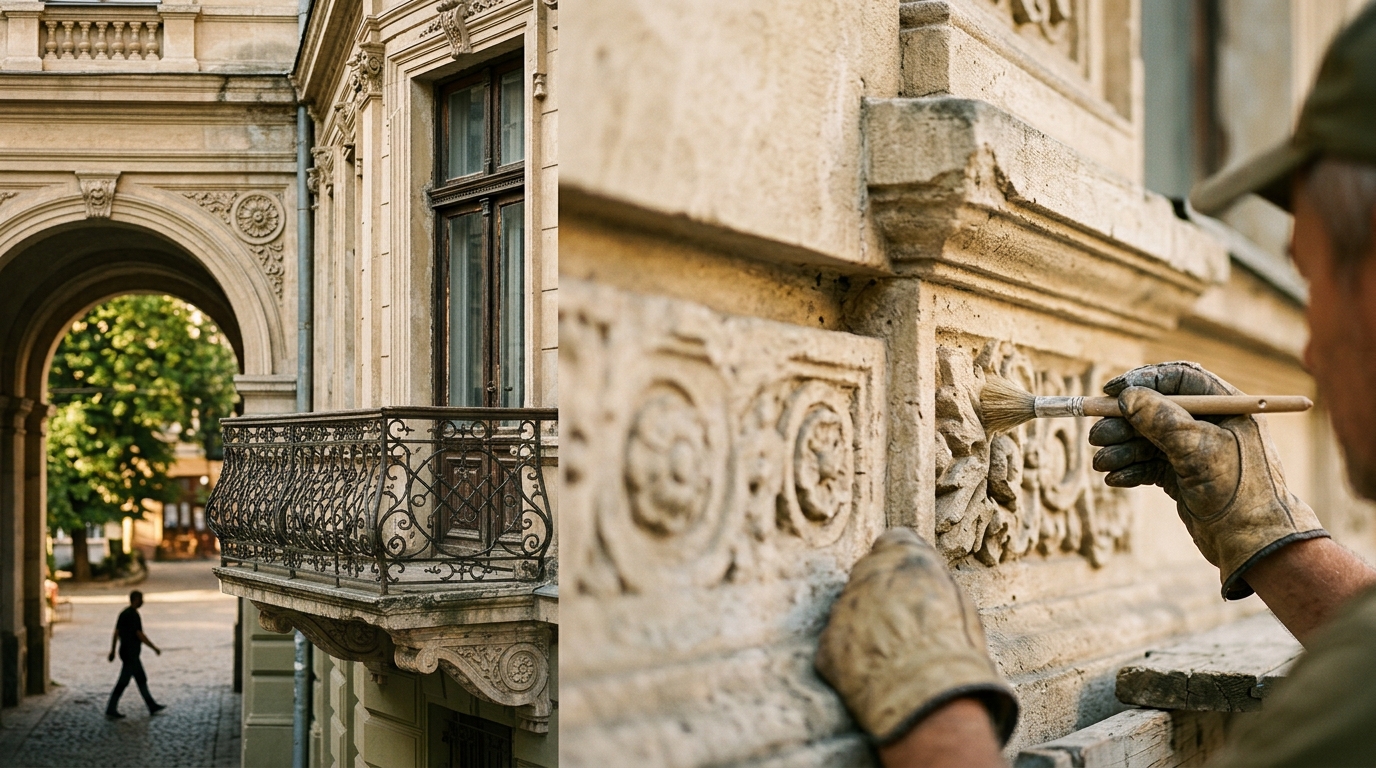
Historic buildings require constant attention and professional care.
Time, weather conditions, and the lack of proper maintenance gradually affect the condition of facades, structures, and decorative elements.
The city’s task is to create conditions for the timely inspection, repair, and restoration of such objects.
At the same time, it is important to preserve the authentic elements and architectural features of the buildings.
Restoration should be not just a repair, but a professional work with the preservation of the historical value of the object.
Historical heritage and the modern city
Preserving historical Odesa does not mean stopping the city’s development.
On the contrary, modern technologies and new formats can help utilize historical buildings and spaces without losing their value.
Historical objects can gain new life as cultural centers, educational spaces, museums, public venues, offices, or places for the development of creative industries.
It is important to find a balance between modern needs and the necessity to preserve the architectural character of the city.
New projects in historical areas must consider scale, architecture, and the surrounding environment.
Responsibility for urban heritage
Preserving historical Odesa is a collective task for the city, building owners, businesses, the professional community, and residents.
Owners of historical objects should have clear rules and opportunities for their proper maintenance.
The city, on its part, must ensure clear procedures, compliance control, and a professional approach to restoration issues.
It is also important to create mechanisms for cooperation between the community, owners, and specialists.
Only shared responsibility allows for the preservation of the historical environment in the long term.
Historical streets and public space
Preservation of historical Odesa concerns not only buildings.
Streets, squares, parks, and other public spaces play an important role.
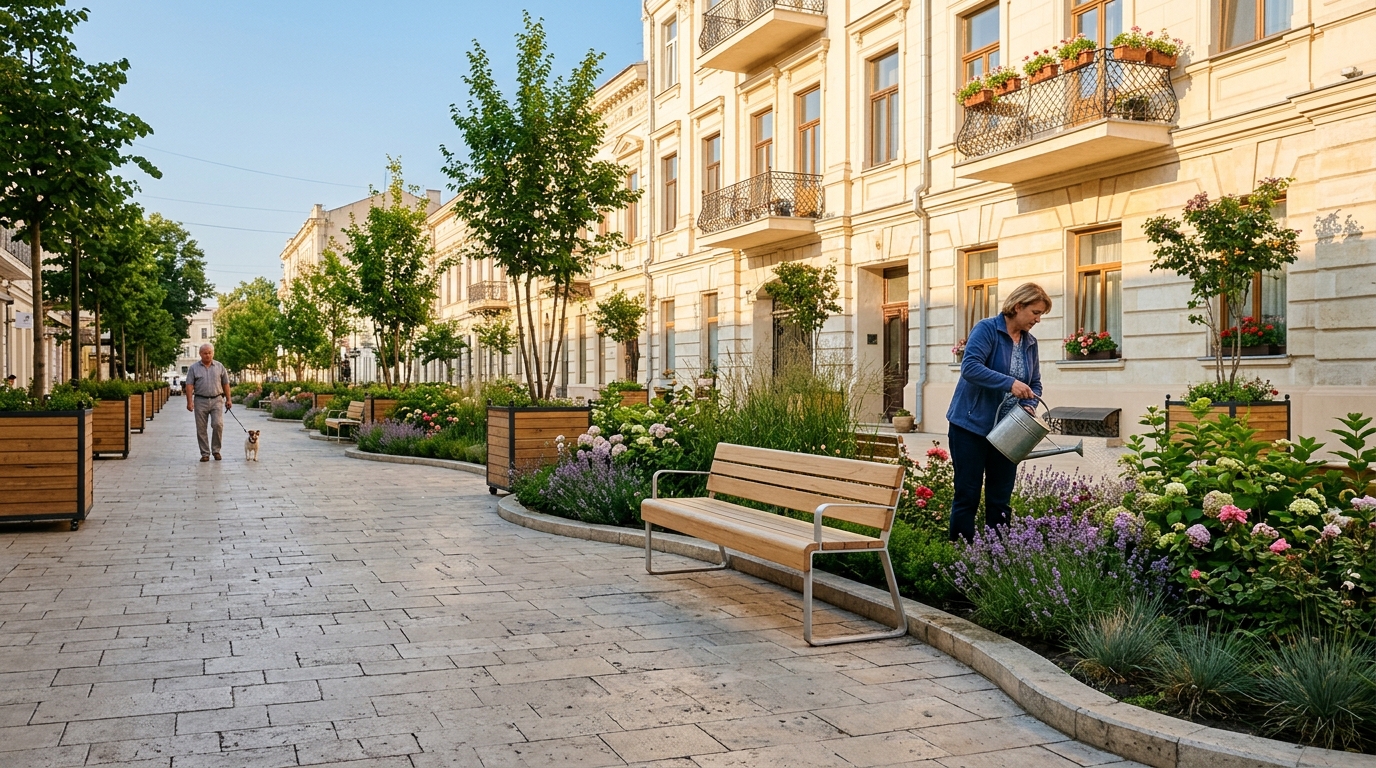
Lighting, benches, navigation, greenery, pavement, and urban infrastructure should harmoniously blend with the historical environment.
Even modern elements of urban improvement can be integrated in such a way that does not disrupt the architectural character of historic areas.
This allows simultaneously increasing residents’ comfort and preserving the recognizable image of Odesa.
History should be accessible to future generations.
Preserving heritage is also an educational matter.
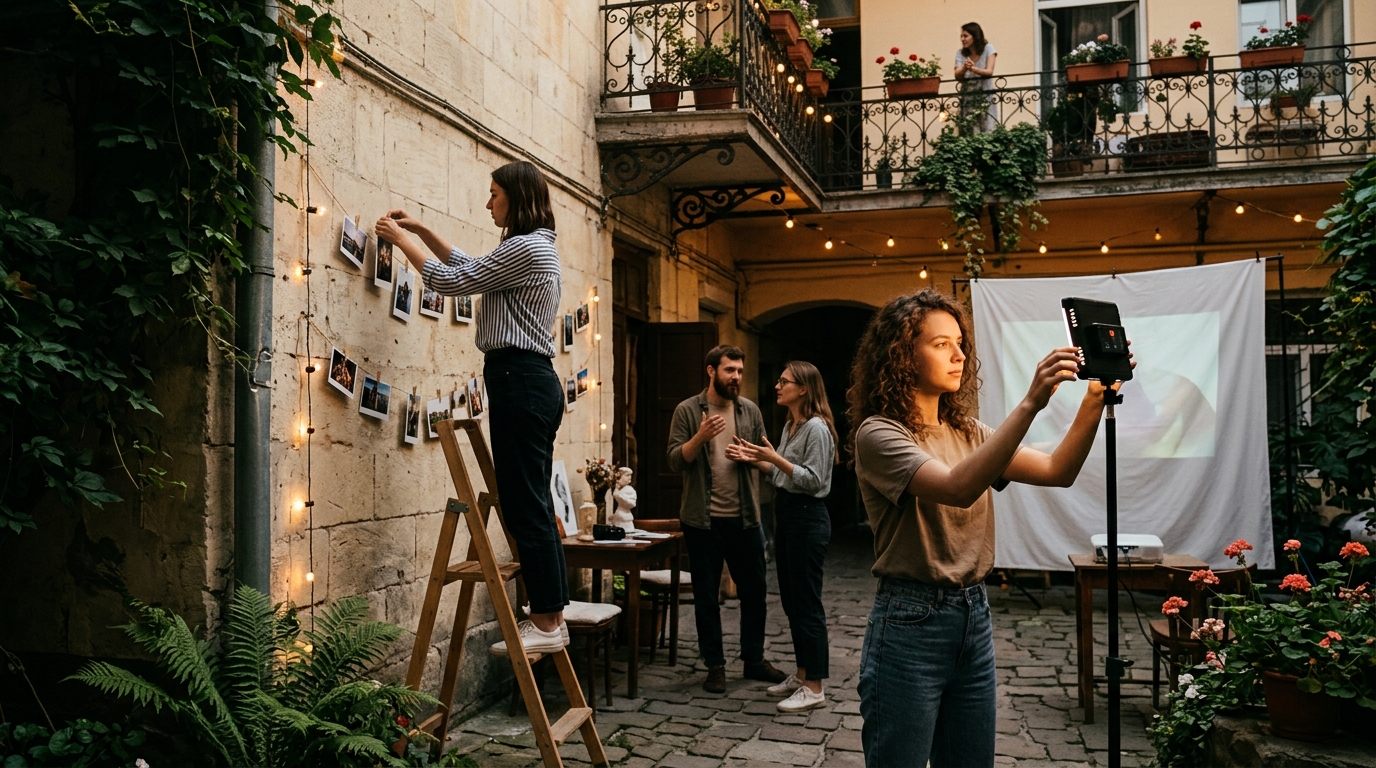
The younger generation should know the city’s history and understand the value of the environment they live in.
Educational programs, city tours, cultural events, digital archives, and modern information projects can help popularize the history of Odesa.
When people understand the value of a historical object, they become more interested in preserving it.
Therefore, it is important not only to restore buildings but also to tell their stories.
Odesa as a city with its own character
Historical heritage is part of Odesa’s identity.
It cannot be completely replaced with new construction or recreated after loss.
That is why the development of the city should take into account what has already been formed over decades and centuries.
Modern Odesa can develop new areas, create modern infrastructure, attract investments and use new technologies, while simultaneously maintaining its historical foundation.
These are not conflicting tasks. They can complement each other.
Preserve the past to create the future
Historical Odessa is a heritage that the city received from previous generations and has the opportunity to pass on to the next.
Its preservation requires a systematic approach, professional restoration, responsible attitude towards historical buildings, and an open dialogue between the city, the community, owners, and specialists.
Development should not erase the city’s character.
A strong modern Odessa is a city that moves forward without losing its connection with its history.